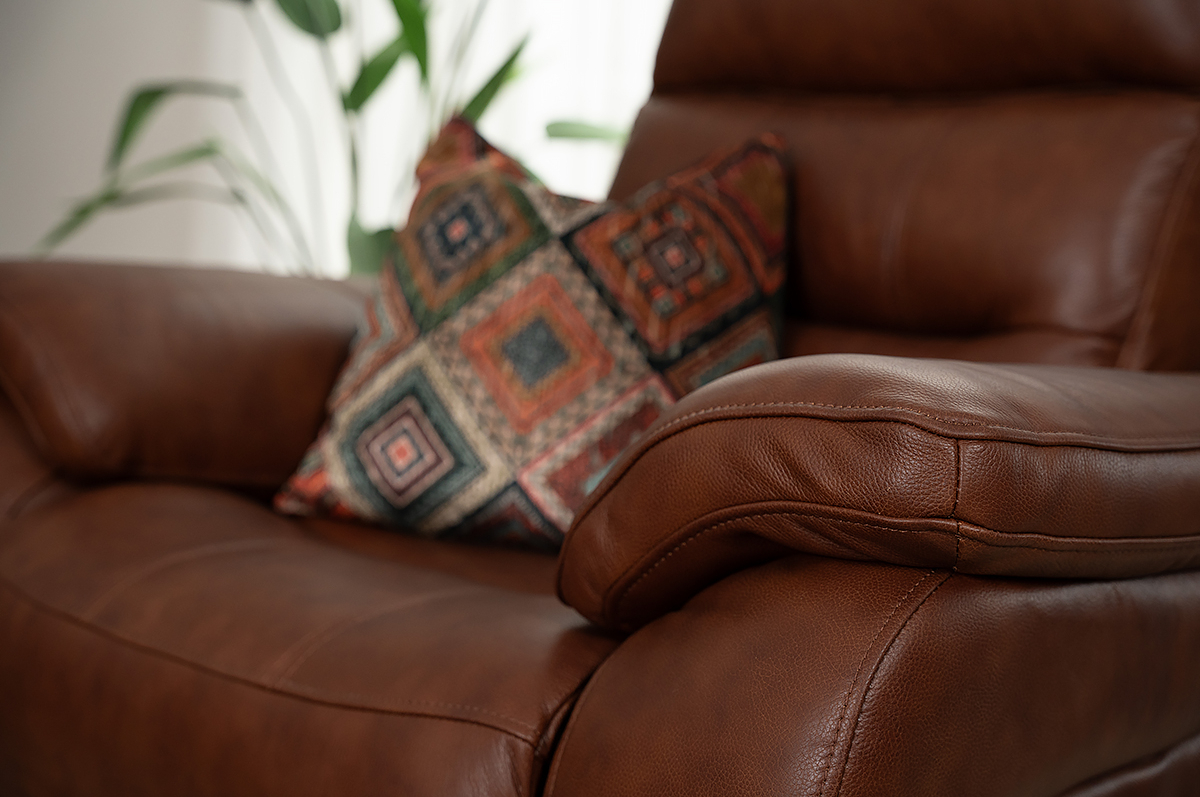
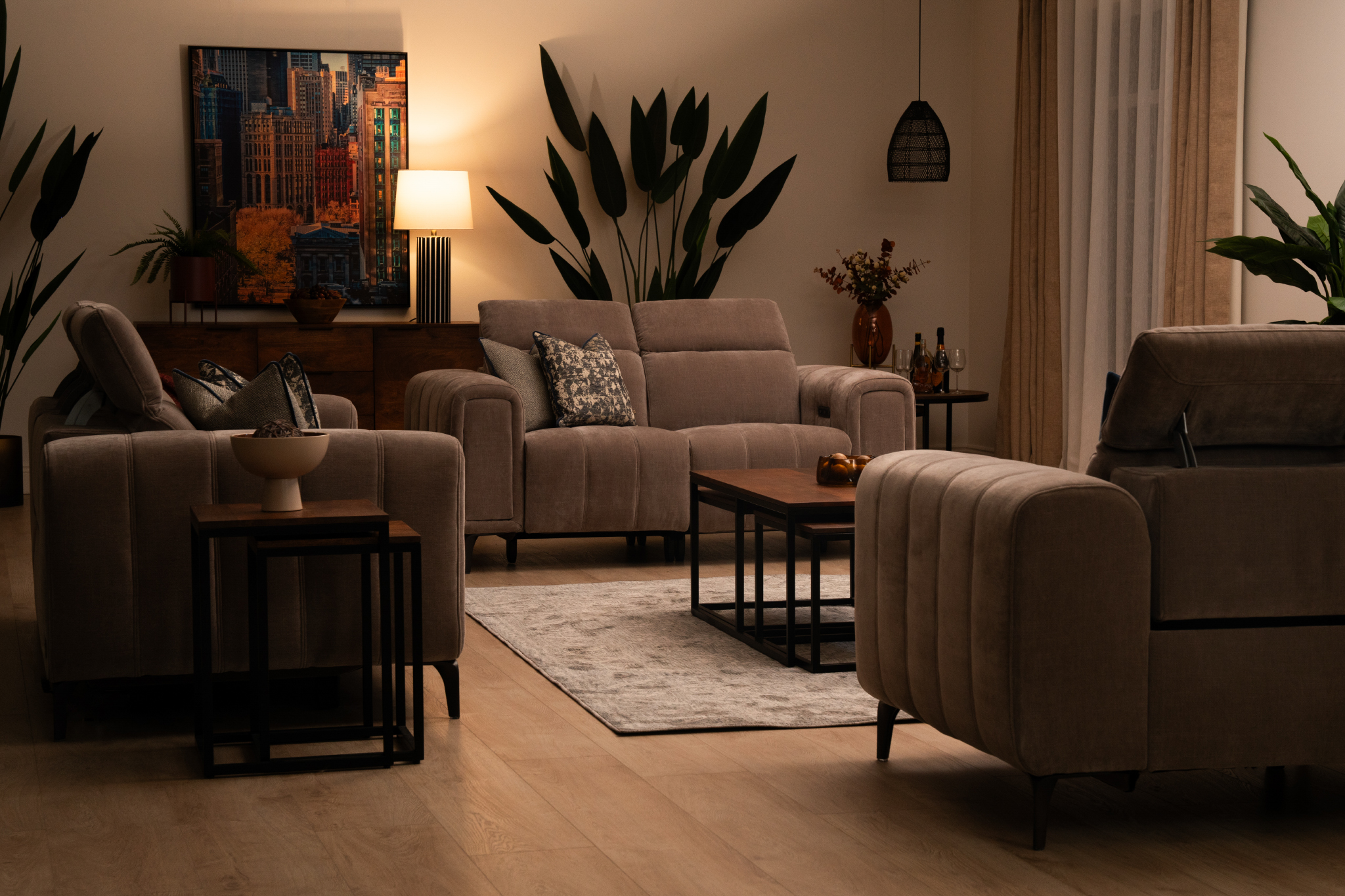
It’s official, autumn is finally here! There really is something about the beginning of September that brings with it a real cosy vibe. Shorter evenings, back-to-school routines, and colder days all make for more time spent indoors, and with that, comes a closer look at our interiors. We’re all about making the most of our homes, and at this time of year, that means making them work for the colder months as we say goodbye to our good friend, the sun, until some time next year.
The easiest part about redecorating for autumn is that it doesn’t involve a huge amount of work (or cash, for that matter). A few small changes here and there to your furniture, colours, textures, and layouts can all make your space feel warmer, cosier, and ready for the season ahead.
1. Layer Up with Soft Textures
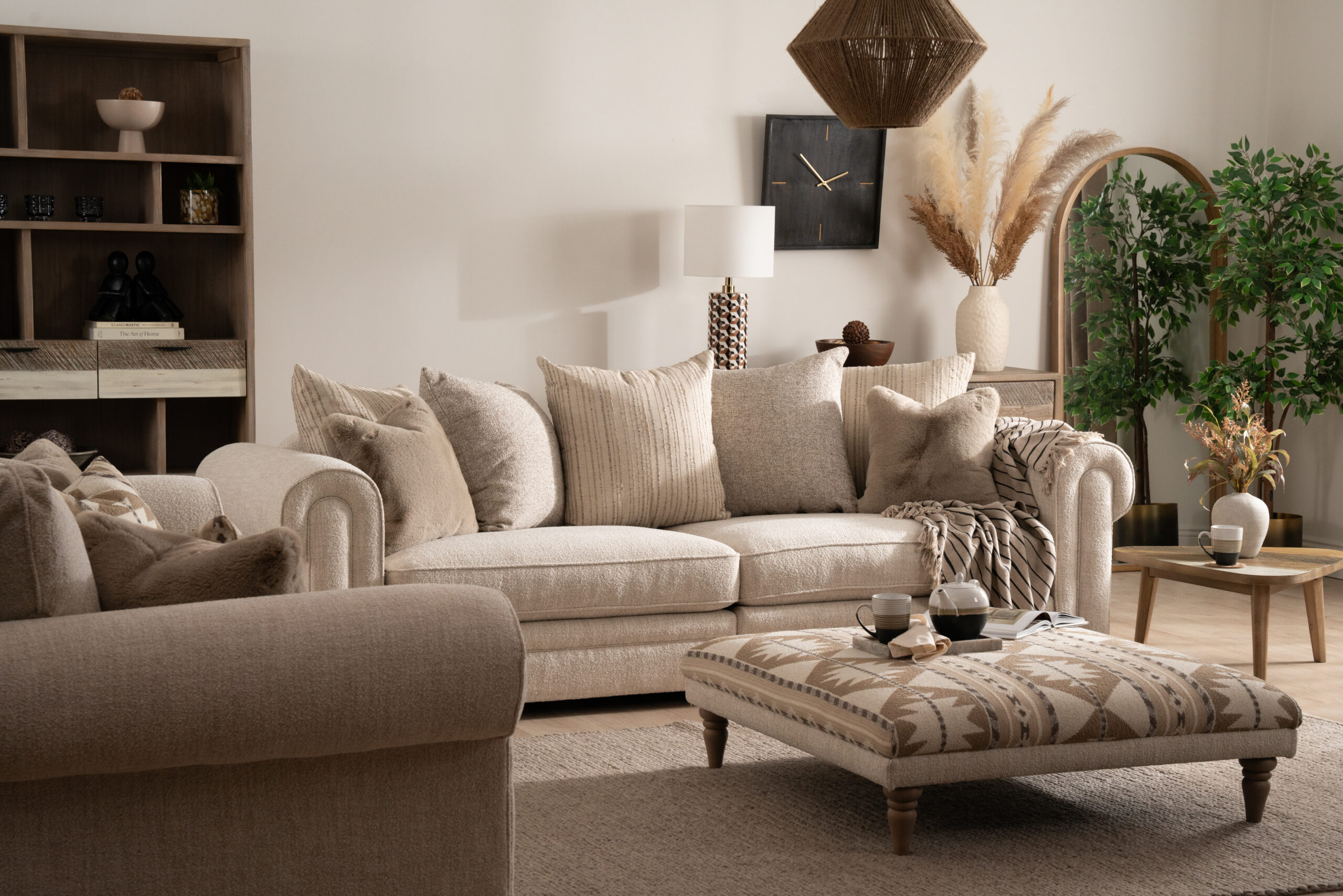
One of the easiest ways to make your home feel instantly cosier is to introduce more texture to your space. Go for some soft throws, cushions, and rugs. These are a great way to add warmth without having to do any major overhauling of your style!
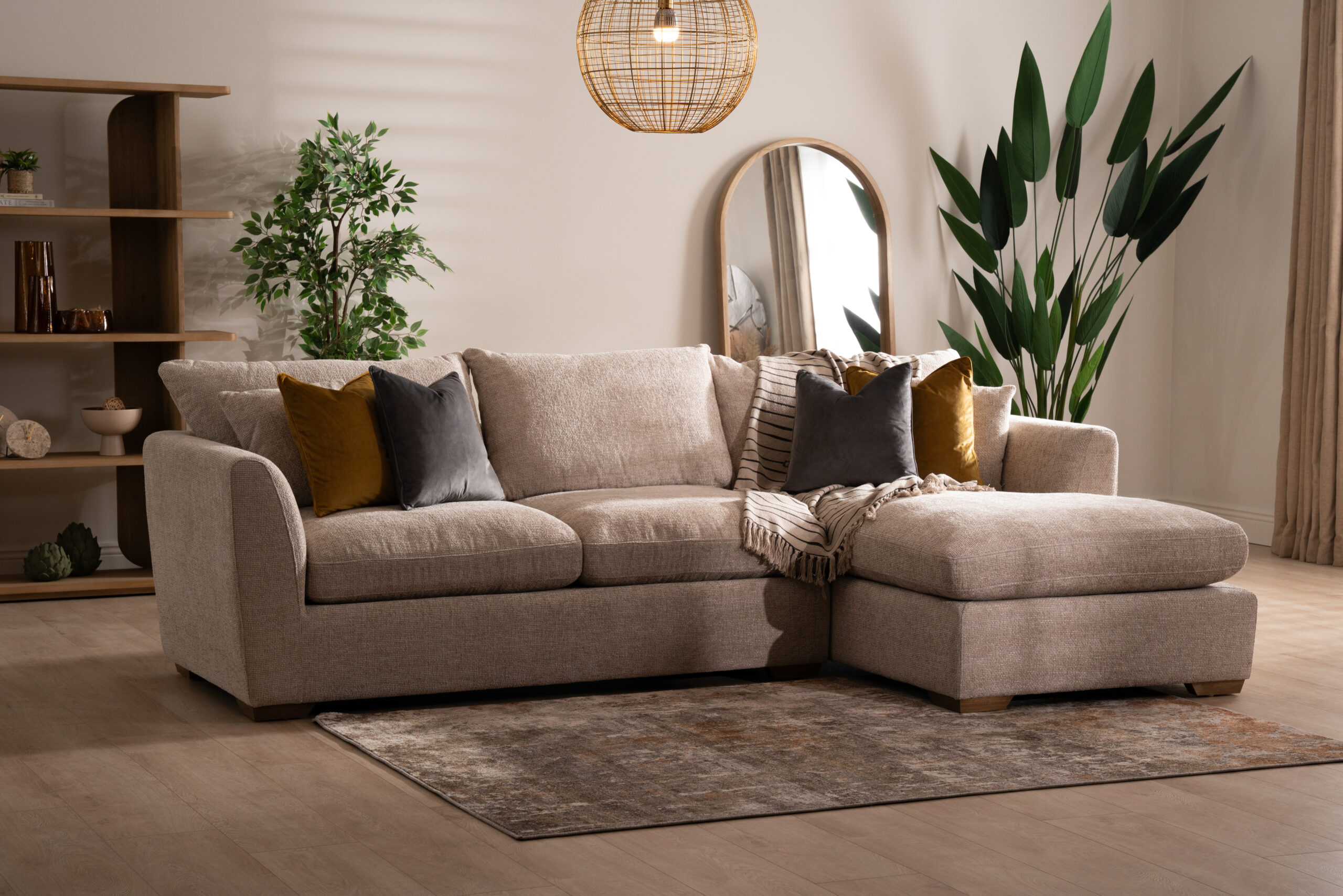
In the living room, drape a throw over the sofa, and complement it with some cushions in autumnal tones. Adding a rug underneath your coffee table is another great way to add a cosy touch to the room and make it feel more inviting. For bedrooms, switch up your bed linen to add some texture, and use a throw at the foot of your bed to tie it together.
2. Bring in Warmer Colours

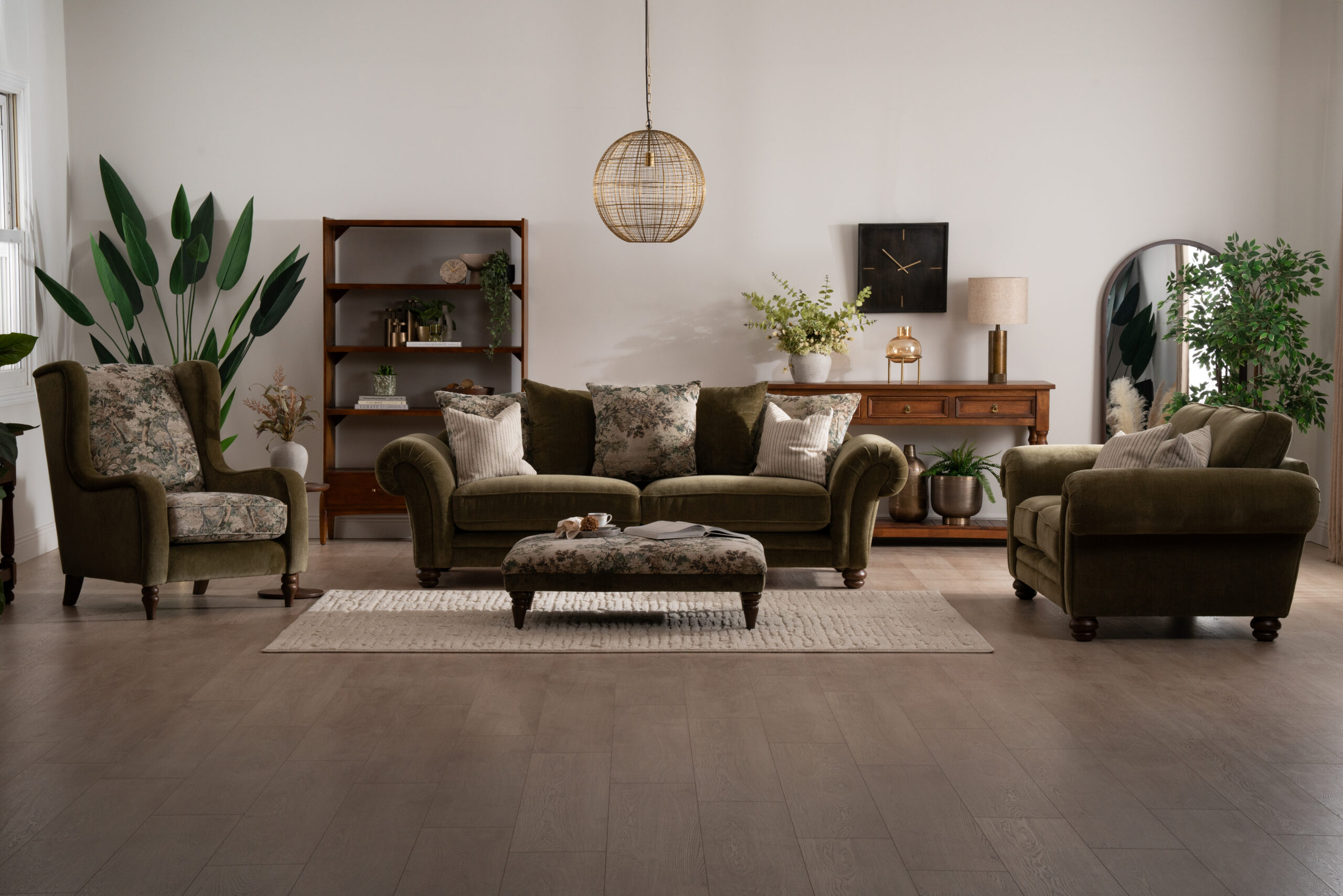
While summer tends to lend itself to lighter shades and brighter hues, autumn gives us the opportunity to start introducing richer, warmer tones to our interior décor. Some favourites for this time of year include earthy greens, warm browns, and rich rust shades, all alongside creams and deeper neutrals. These are great for creating an inviting, relaxed atmosphere in the home.
Now, you don’t have to get the paintbrush and masking tape out to achieve this look. Instead, turn to accessories. Cushions, artwork, curtains, throws, and even rugs are great ways to introduce new colours without breaking the bank (or your back).
3. Add Warmth Through Lighting
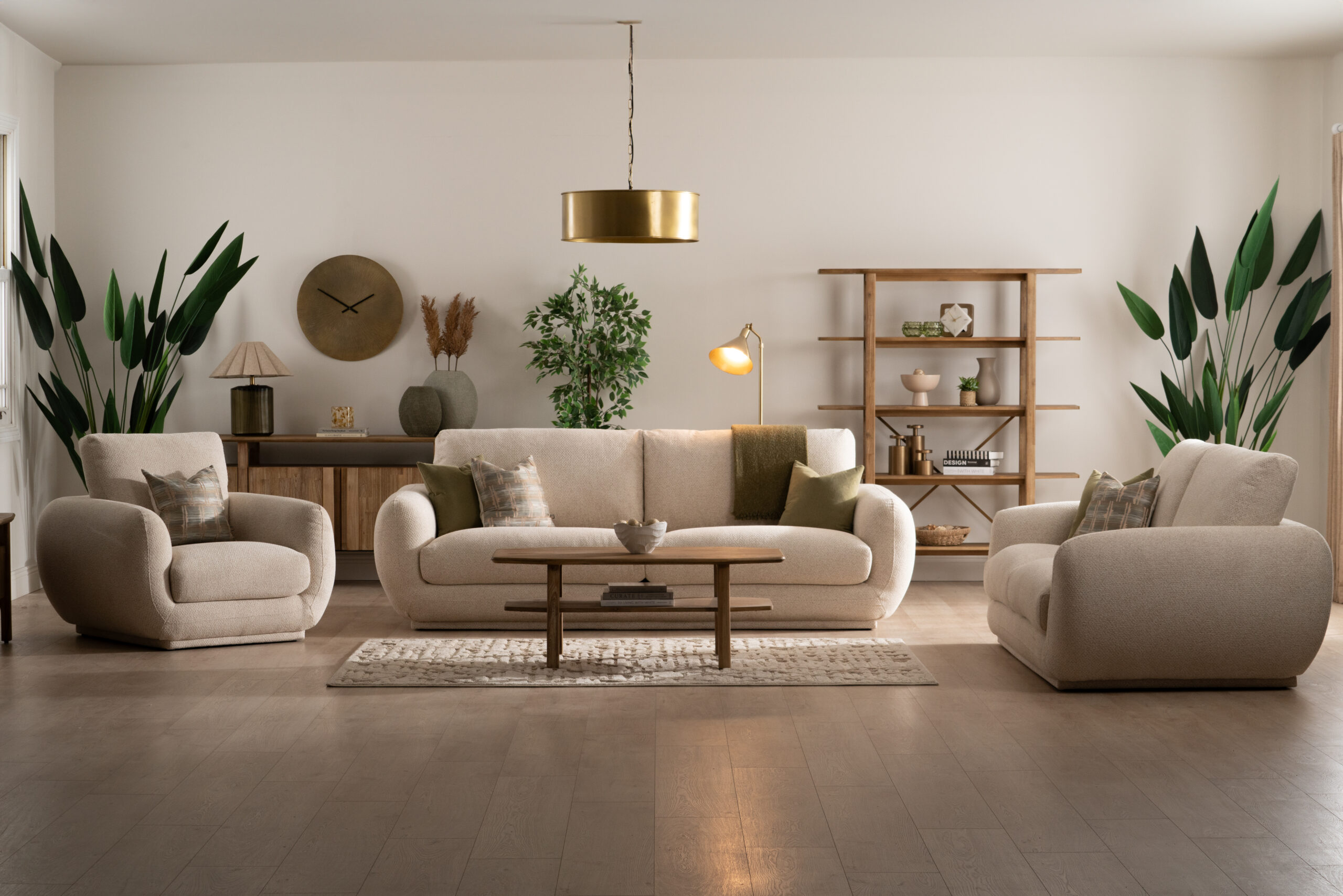
As we say goodbye to the days of the grand stretch and lose out on summer sun warming the house well into the evening, it’s time to look towards lighting to replace the shortened daylight hours. If you’re a fan of the big light, good for you! If you’re not, you’re in luck. Creating layers of light with table lamps, floor lamps, and candles are a great way to make your space feel cosier, without relying on one bright overhead light when it’s time to wind down in the evenings.
If you’re not sure where to start when it comes to adding lighting around the home, start by using floor or table lamps to highlight furniture and features you want to draw attention to (think table lamps on bedside lockers, floor lamps next to the sofa or armchairs), and add to that as needed with candles and ambient lighting.

4. Take Stock of the Furniture You Use Every Day
September really is a great time to look at the bigger picture. With the return to routine, we often start to notice when things aren’t quite working once we find ourselves spending more time at home. Sometimes that’s a sofa that’s past its best years, a dining table that is no longer suited to accomodate both dinners and homework sessions, or even a bed that’s not as comfortable as it once was. If you’ve started to notice little niggles like this here and there, now’s the perfect season to get on top of it all! This doesn’t have to be a lot of work, or take up a huge amount of time — just do a mental audit of what you’ve got going, and make note of what you’d like to change.
5. Make the Most of your Spaces
Focus on where you spend most of your time, and make sure to give those rooms a little bit of extra love. If you’re someone who mourns the loss of summer evenings on the balcony or patio, invest in some throws and maybe an outdoor heater or two so as not to lose out on your favourite space. However, if you welcome the retreat back indoors that comes with the season, then consider this a free-for-all to embrace the cosiness of spending time indoors. Make sure to consider how your furniture was laid out during the warmer months, and whether it still works now. If you’re having to squeeze more people around a table or onto a couch now that the outdoors are off the table, it might be time to think about re-arranging your set up.
Ready for a New Season?
There’s no better time than the beginning of autumn to give your home a little bit of extra attention. Whether you’re making small changes with colour and texture, or investing in a piece of furniture you’ll enjoy for years to come, the aim is still the same; curating a home you’ll want to come home to and enjoy spending time in.
Psst, if a bigger refresh has been on your mind as of late, now is a good time to let you know that the Autumn Event is now live at Murphy Home, with great prices across our range of furniture and home essentials. Why not head to our website or visit one of our stores to check it out?