Tag: education

  • How to Get Your Home Ready for Autumn: 5 Simple Ways to Create a Cosier Space

    How to Get Your Home Ready for Autumn: 5 Simple Ways to Create a Cosier Space

    It’s official, autumn is finally here! There really is something about the beginning of September that brings with it a real cosy vibe. Shorter evenings, back-to-school routines, and colder days all make for more time spent indoors, and with that, comes a closer look at our interiors. We’re all about making the most of our homes, and at this time of year, that means making them work for the colder months as we say goodbye to our good friend, the sun, until some time next year. 

    The easiest part about redecorating for autumn is that it doesn’t involve a huge amount of work (or cash, for that matter). A few small changes here and there to your furniture, colours, textures, and layouts can all make your space feel warmer, cosier, and ready for the season ahead.

    1. Layer Up with Soft Textures

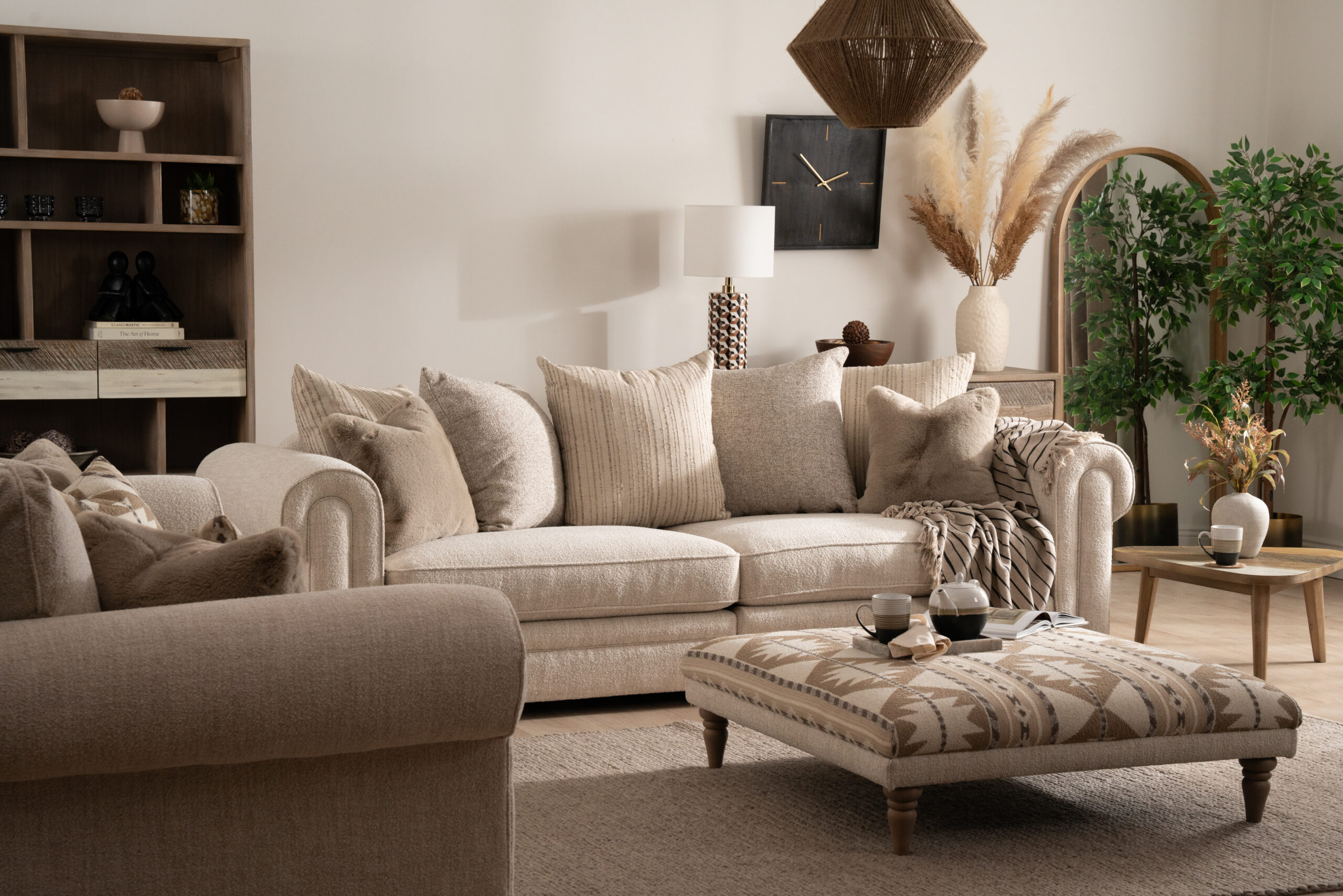
    One of the easiest ways to make your home feel instantly cosier is to introduce more texture to your space. Go for some soft throws, cushions, and rugs. These are a great way to add warmth without having to do any major overhauling of your style! 

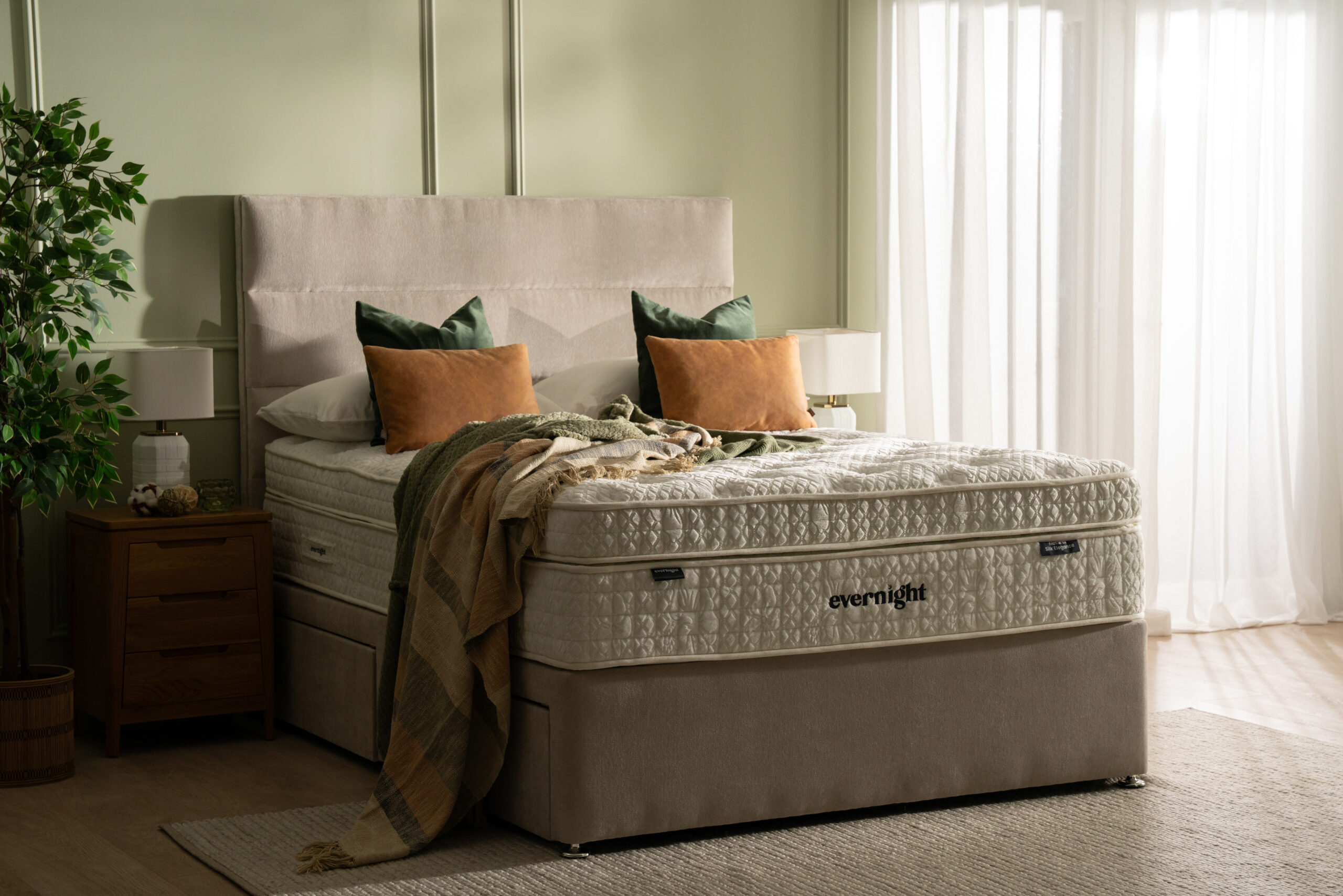
    In the living room, drape a throw over the sofa, and complement it with some cushions in autumnal tones. Adding a rug underneath your coffee table is another great way to add a cosy touch to the room and make it feel more inviting. For bedrooms, switch up your bed linen to add some texture, and use a throw at the foot of your bed to tie it together. 

    2. Bring in Warmer Colours

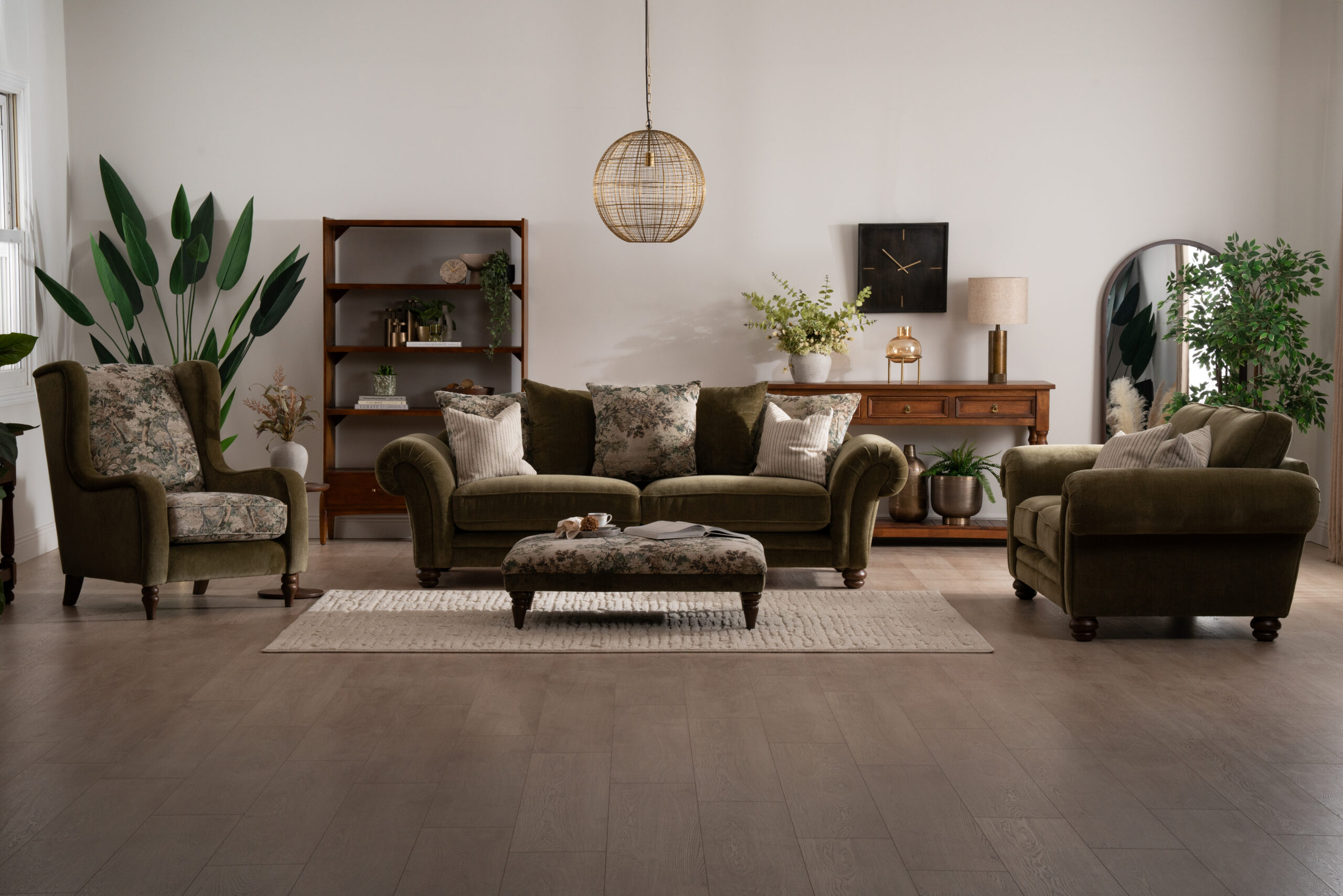
    While summer tends to lend itself to lighter shades and brighter hues, autumn gives us the opportunity to start introducing richer, warmer tones to our interior décor. Some favourites for this time of year include earthy greens, warm browns, and rich rust shades, all alongside creams and deeper neutrals. These are great for creating an inviting, relaxed atmosphere in the home.

    Now, you don’t have to get the paintbrush and masking tape out to achieve this look. Instead, turn to accessories. Cushions, artwork, curtains, throws, and even rugs are great ways to introduce new colours without breaking the bank (or your back).

    3. Add Warmth Through Lighting

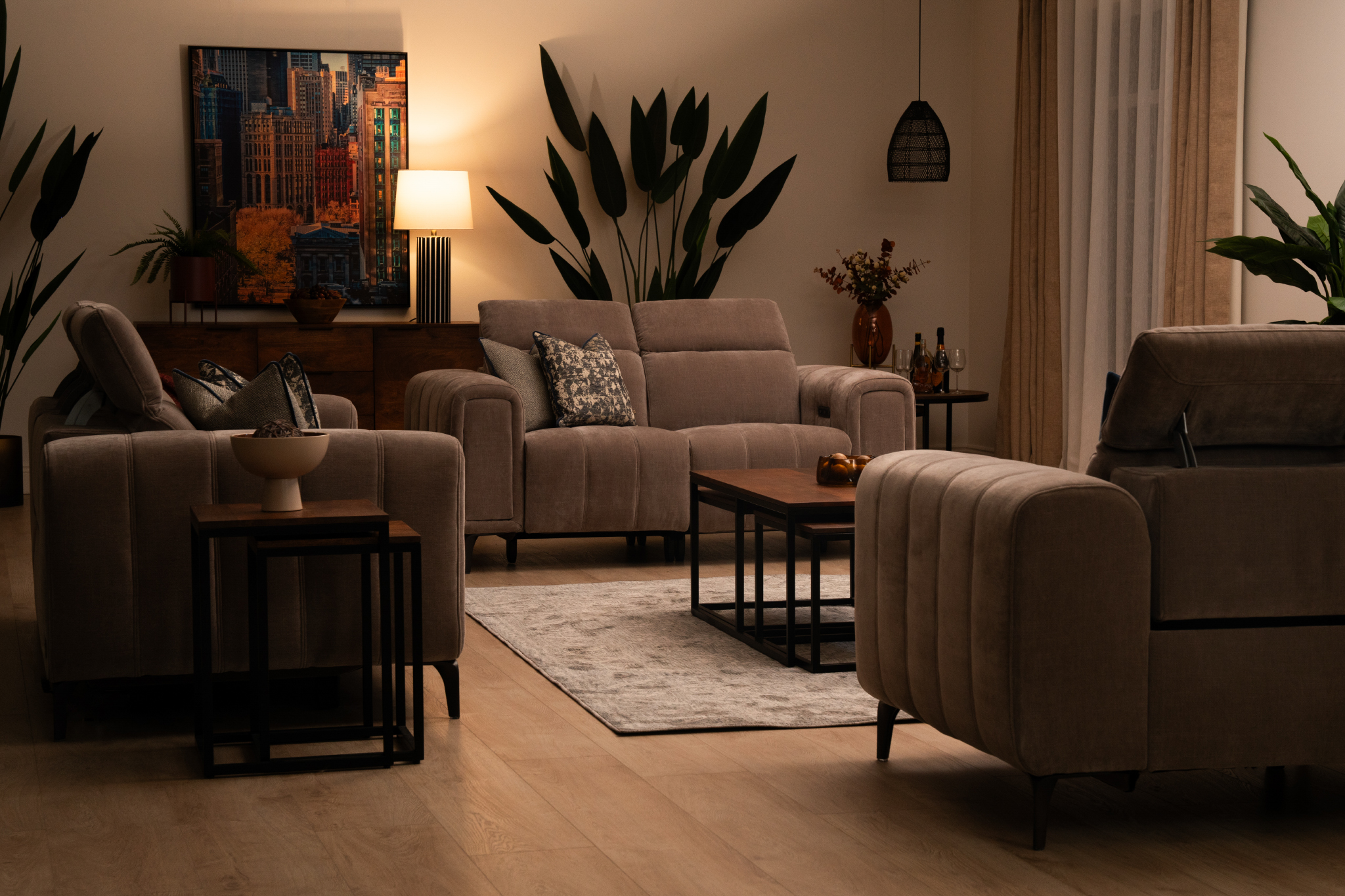
    As we say goodbye to the days of the grand stretch and lose out on summer sun warming the house well into the evening, it’s time to look towards lighting to replace the shortened daylight hours. If you’re a fan of the big light, good for you! If you’re not, you’re in luck. Creating layers of light with table lamps, floor lamps, and candles are a great way to make your space feel cosier, without relying on one bright overhead light when it’s time to wind down in the evenings.

    If you’re not sure where to start when it comes to adding lighting around the home, start by using floor or table lamps to highlight furniture and features you want to draw attention to (think table lamps on bedside lockers, floor lamps next to the sofa or armchairs), and add to that as needed with candles and ambient lighting.

    4. Take Stock of the Furniture You Use Every Day

    September really is a great time to look at the bigger picture. With the return to routine, we often start to notice when things aren’t quite working once we find ourselves spending more time at home. Sometimes that’s a sofa that’s past its best years, a dining table that is no longer suited to accomodate both dinners and homework sessions, or even a bed that’s not as comfortable as it once was. If you’ve started to notice little niggles like this here and there, now’s the perfect season to get on top of it all! This doesn’t have to be a lot of work, or take up a huge amount of time — just do a mental audit of what you’ve got going, and make note of what you’d like to change.

    5. Make the Most of your Spaces

    Focus on where you spend most of your time, and make sure to give those rooms a little bit of extra love. If you’re someone who mourns the loss of summer evenings on the balcony or patio, invest in some throws and maybe an outdoor heater or two so as not to lose out on your favourite space. However, if you welcome the retreat back indoors that comes with the season, then consider this a free-for-all to embrace the cosiness of spending time indoors. Make sure to consider how your furniture was laid out during the warmer months, and whether it still works now. If you’re having to squeeze more people around a table or onto a couch now that the outdoors are off the table, it might be time to think about re-arranging your set up.

    Ready for a New Season?

    There’s no better time than the beginning of autumn to give your home a little bit of extra attention. Whether you’re making small changes with colour and texture, or investing in a piece of furniture you’ll enjoy for years to come, the aim is still the same; curating a home you’ll want to come home to and enjoy spending time in.

    Psst, if a bigger refresh has been on your mind as of late, now is a good time to let you know that the Autumn Event is now live at Murphy Home, with great prices across our range of furniture and home essentials. Why not head to our website or visit one of our stores to check it out?
  • What Size Bed Do I Need? A Guide to Bed Sizes & Bedroom Space

    What Size Bed Do I Need? A Guide to Bed Sizes & Bedroom Space

    Furnishing your bedroom is a fun endeavour, and it sounds simple, until it’s not. Once the measuring tape comes out, things get a little bit more complicated. There are more than a few things to keep in mind when choosing a new bed, but that’s where we come in! You need to consider things like how many people will be sleeping in the bed (or the room, if it’s shared!), and once you’ve settled on a size for said people, there’s more to come. While a bed might fit comfortably inside an empty room in theory, the same might not be said once bedside tables, wardrobes, and all your other pieces join the party. Will there still be enough space to move around the room? 

    I know, it’s a lot to consider. That’s why we recommend starting with your bed, and going from there. Once you’ve narrowed down your options in sizing, it’s much easier to know what you can fit around it! So, starting with the bed; in Ireland, the most common options you’ll see are singles, doubles, and kings. Each size definitely has its own advantages and disadvantages, but the right choice will depend on both your sleeping habits and the space you have available.

    Single Beds (3’0”)

    Single beds are the smallest choice you’ll find on the market, with ours ranging from about 90cm to 130cm. They’re designed for just one person, which make them a popular choice for children’s bedrooms, guest rooms, and smaller spaces where you’re tight on room. For an adult (just one, mind!), a single bed can be perfectly comfortable, and makes sense if the room is compact. It gives you more floor space to play around with, so if this is a non-negotiable for you, a single bed might be in your future. Just keep in mind that they don’t leave you with a lot of room to stretch out and starfish.

    Small Double (4’0”)

    A small double is about 120cm wide, putting it in between a single bed and a standard double. It gives one person considerably more room to stretch out, while still not taking up a huge amount of space in a room. This is a great compromise if you don’t fancy going for a single, but find yourself tight on space! Unlike a single, though, a small double can accomodate two people, but unlike a double or king, it will feel considerably cosier, so if you tend to overheat (or just like your space!) during summer nights, this might not be your best option. If a standard double feels too large, but a single feels too small, then this is just right, goldilocks.

    Double (4’6”)

    A standard double bed is probably the size you’re most familiar with. At about 135cm wide, these are a practical option for most bedrooms. You have ample sleeping space for two people, but the size is still manageable in most average-sized bedrooms. Even if your bedroom is on the smaller size, a double is a good compromise between comfort and maintaining enough usable floor space around the bed itself.

    One thing to keep in mind about the double is that while it can comfortably accomodate two people, you’ll still have less personal space than in a larger size. If you tend to move around lots in your sleep, a size up can make a noticeable difference (and hopefully avoid any kicks or shoves).

    King Size (5’0”)

    Generally coming in at about 150cm, these beds are a comfortable upgrade from a standard double. However, with the extra width comes another 10cm in length. This doesn’t take up a huge amount of extra space, but it is an important consideration if you’re already playing jenga with your bedroom furniture. If you have a larger master bedroom, and want the bed to act as a focal point without dominating the space, then a king size is a great choice.

    Super King (6’0”)

    If you have the space for it, and consider sleep a priority above all else, then a super king is a hard one to beat. These beds are about 180cm in width, and hold on to that extra 10cm from the king size. You’ll have oodles of space to roll around, starfish, and stretch out as you please. If you’re a restless sleeper (or sleep beside one), these are a great option. Unfortunately, the trade-off here is the amount of space they take up. In a smaller bedroom, a super king will dominate the space, and you might lose out on room for bedside lockers and other pieces around the room. Make sure to measure and check that you’ve still got enough room to move about once the bed is in place!

    Is a Bigger Bed Always Better?

    Not necessarily! Depending on the space you have at hand, the person using the room, and the kind of sleeper they are, it might sometimes be less of a headache to scale down when needed. If you have a spacious bedroom & enjoy having room to stretch out, a bigger bed is a no-brainer, but if you’re furnishing a smaller guest room, it might be worth considering something smaller and more compact. Make sure to check our mattress guide too — having the bed is all well and good until your mattress doesn’t fit!

  • What Size Sofa Do I Need?

    What Size Sofa Do I Need?

    We all know there’s more to choosing a sofa than just finding one that looks good and feels comfortable. The size you end up deciding on can affect how comfortably people can sit, how easily you can move around the room, and whether your living space feels balanced or not. It seems simple at first, and then you’re inundated with terms like ‘two-seater’, ‘modular’, ‘chaise’, ‘four-seater’, ‘corner sofa’, and it just keeps on going. How many people can each size accommodate? How much space will they take up? It’s a lot to consider.

    When it comes down to it, how big your sofa needs to be depends on how you use your living room, who’ll be using the sofa, and ultimately how much space you have to work with.

    How many people fit on a two-seater sofa?

    Ah, the humble two-seater. Generally designed for two people, this is often a practical choice for smaller living rooms, apartments, or in rooms where the sofa isn’t the only seating option. But here’s the kicker. ‘Two-seater’ doesn’t necessarily mean that two adults will have lots of room. Seat width and depth can vary a lot from one sofa to another, so two people may be able to sit comfortably on one model, while another might feel a bit cramped. If your sofa is mainly for one or two people, a two-seater can be a great choice that doesn’t take over the room.

    How many people fit on a three-seater sofa?

    When it comes to an average living room, a three-seater is usually the most versatile option. As suggested by the name, it’s generally intended for three people. However, it’s important to keep in mind that the actual usable seating space depends on the design. If you value a bit more space to stretch out, a three-seater can provide plenty of room (without crossing over and taking up too much space on someone else’s ‘side’). It’s also a good choice for families, and can work as the main sofa alongside additional seating like an armchair or footstool. If you regularly host guests though, you might have to consider whether three seats are enough for your usual crowd.

    What about a four-seater?

    These are particularly useful for larger families or households that spend a lot of time relaxing together, and they provide more room to spread out. Keep in mind that a larger sofa doesn’t automatically make better use of a room. With a bigger sofa, you’ll need to be a bit more mindful of the dimensions you have to play with. You still need to make sure there’s enough surrounding space for people to move comfortably and it’s overall proportions need to suit the size of the room, too. If you’re working with a smaller space, a large sofa can make everything feel a bit too cramped.

    Are corner sofas good for families?

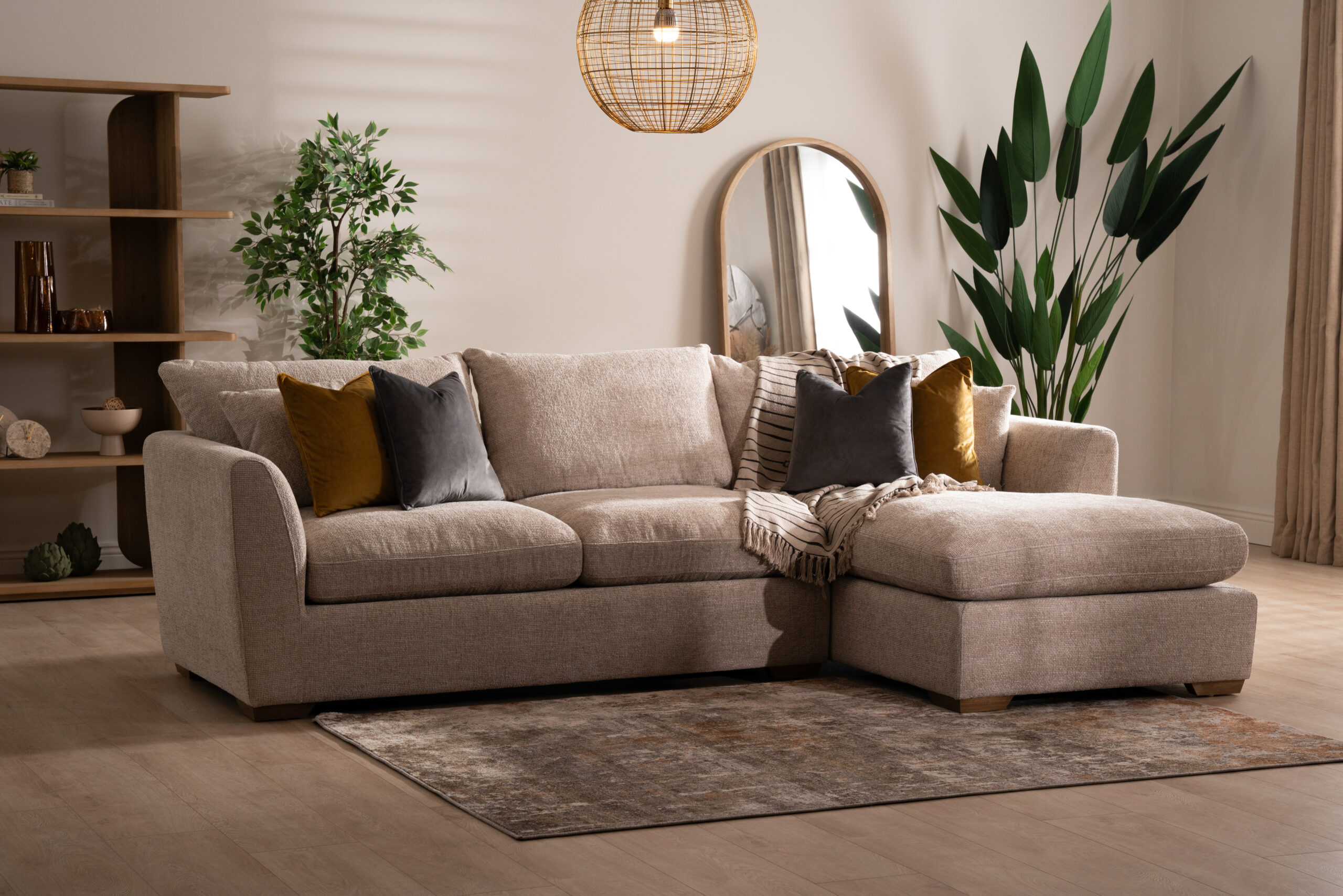
    Corner units are popular for a few reasons, one being that they make use of two sides of a room and plenty of seating, all in one piece of furniture. Depending on the configuration and dimensions, they can accommodate 6 people comfortably, so they’re a good choice if you often have guests, or have a busy household. They’re also great for stretching out on rather than sitting upright, which makes getting comfy and cosy a whole lot easier. These sofas can take up a lot of space in a room, so make sure to measure the dimensions before committing!

    How many people can sit on a chaise sofa?

    A chaise sofa combines a standard sofa with an extended section designed for putting your feet up, so they’re particularly appealing if lounging is a priority. The chaise itself isn’t necessarily an additional seat (there’s no back to it!), but it can come in handy for extra spots. When making your decision, consider how much time you spend horizontal on the sofa versus how much time is spent upright to help you make your choice!

    Don’t forget about the room itself!

    Remember that the room is just as important when considering a new sofa! The number of people you want to seat is really only half of the equation. Before making your final decision, measure the room carefully and think about how people will move around the space. Make sure you leave yourself enough clearance for walkways, doorways, and any other furniture you’ll want to add, like coffee tables, side tables, storage, and rugs. Most importantly, check that the sofa can actually make its way through your front door, hallway, and any tight turns along the way. A good tip is to mark out the sofa’s dimensions on the floor using masking tape. This will give you a much better idea of the space it’ll occupy before you commit to a particular size.

  • How Long Should Furniture Actually Last? A Realistic Guide to When It’s Time to Replace It

    How Long Should Furniture Actually Last? A Realistic Guide to When It’s Time to Replace It

    Furniture really isn’t something that most of us replace often. Unlike smaller pieces of décor around the house, a sofa or dining table is expected to be with us for years, sometimes even decades — hence the phrase, ‘part of the furniture’. You might wonder to yourself, ‘How long should this actually last?’. The answer depends on a few things. Namely, the quality of the furniture, how often it’s used, and how well it’s looked after. While there isn’t a set expiry date, there are some clear signs that it’s time to think about replacing or upgrading some key pieces around your home.

    Sofas: Around 7 – 15 years

    A quality sofa is built to withstand years of everyday life, but when it’s getting to the end of it’s lifespan, it’s often the cushions, upholstery, and suspension that begin to show their age before the frame does. You might notice;

    • cushions that don’t bounce back
    • creaking or groaning when you sit down (from the sofa, not you)
    • sagging seats
    • worn or faded fabric
    • reduced comfort

    If you find yourself compensating with extra throws and cushions to make your sofa feel more comfortable, that’s often a good indicator that it’s time to start looking for its successor.

    Dining: 15 years or more

    Dining tables and chairs often have the longest lifespan, because they’re generally subjected to less continuous use than sofas. However, that’s not to say that years of family meals, homework sessions, and entertaining don’t leave their mark. Look out for:

    • wobbly chairs
    • loose joints
    • deep scratches that affect the surface
    • unstable table legs

    Dining furniture can be refreshed and kept well for years with proper care, so it really is one of the longest-lasting investments in your home.

    Mattresses: Around 7-15 years

    Now this one really can vary, depending on the quality and materials in your mattress. High-density memory foam and latex mattresses resist sagging and can last anywhere from 10 to 15 years, while budget spring mattresses can lose their tension earlier than that. Considering your mattress affects the quality of your sleep, this isn’t something you want to compromise on at all. As materials soften over time, they can stop providing the support your body needs to wake up feeling rested and refreshed. It might be time for a replacement if:

    • you wake up with aches and pains
    • there are dips, uneven areas, or (gasp) lumps
    • the edges have lost their support
    • you’re sleeping better eslewhere

    Many people adapt to an aging mattress slowly over time, so often you won’t realise how much it’s changed until you sleep on a newer one.

    Bedroom Furniture: 10-20 years

    Bed frames, wardrobes, and bedside lockers are all typically built for longevity, but like everything else, daily use eventually catches up with them. In this case, it depends heavily on the build quality and materials used. Solid wood chests of drawers and sturdy bed frames can absolutely last you decades, especially when they’re well looked after. On the other hand, flat-pack items can sometimes wear out within 3 to 5 years. If you’re unsure, signs it might be time for an upgrade can include:

    • drawers sticking not closing flush
    • damaged hinges
    • squeaky or creaky bed frames
    • visible wear that’s difficult to repair

    Something we often overlook is how much factors like humidity, sunlight, and frequent moving can affect the lifespan of your pieces.

    Age Isn’t Everything

    If your furniture still looks great, works great, and feels great, then there’s no need to consider replacing pieces (unless of course, you’ve caught the redecorating bug!). Well-built, quality pieces that have been cared for properly can comfortably outlast cheaper alternatives by many years.

  • 5 Signs It Might Be Time to Upgrade Your Sofa

    5 Signs It Might Be Time to Upgrade Your Sofa

    Your sofa is by far one of the hardest working pieces of furniture in your home. It’s where you relax after a long day at work, enjoy family movie nights, entertain guests, and even take the odd afternoon nap. Sadly though, even the best sofas don’t last forever. As heartbreaking as that may be.

    If you’ve been wondering whether it’s time for an upgrade, there are often some clear signs that your current sofa (beloved though it may be) has reached the end of its lifespan. Here are five things to look out for when deciding whether or not it’s time to replace your sofa.

    1. The Cushions Are Sagging and Losing Support

    Your cushions are one of the first signs your sofa is reaching the end of it’s time. This is because over time, daily use can take its toll on sofa cushions. If you’re constantly having to fluff them up, or find yourself sinking into the seat and finding it tough to get comfortable, it could be a sign that the cushioning materials have worn down.

    While some cushion wear is normal, excessive sagging can affect both comfort and support. A sofa should help you relax, not leave you feeling uncomfortable once you get up, so this isn’t a sign to ignore.

    2. You Can Hear Creaking or Feel the Frame Shifting

    This is big warning sign from your sofa. If your couch creaks when you sit down (like your knees might), feels unstable, or wobbles a bit when moved, the frame might be beginning to weaken. In some cases, repairs can solve the problem — and all our frames do come with a ten year warranty, so this isn’t something you’ll have to worry about — significant fame damage is often a sign that replacing the sofa might be the better long-term investment.

    A quality sofa is built on a sturdy frame, but years and years of use can sometimes lead to structural issues. If you’re noticing this kind of wear and tear on a relatively new sofa, it might be a sign it’s not long for this world, and a replacement might be the better option over a repair.

    3. The Upholstery is Looking Worse For Wear

    Now of course when it comes to sofas, small signs of wear are inevitable, especially in busy households. This isn’t something to worry about! However, if your sofa is covered in stains, fading, tears, or worn patches that can’t be easily repaired or hidden with a carefully placed throw cushion, it might be time to consider something new.

    Your sofa is often the focal point of the living room, so its appearance can have a big impact on how the entire space feels. A fresh new sofa can instantly make a room look cleaner, brighter, and more inviting.

    4. Your Family’s Needs Have Changed

    Sometimes it’s not the case that the sofa has worn out, but rather that you’ve outgrown it instead. Perhaps your family has grown, you’ve moved to a larger home, or maybe your lifestyle has simply changed. A compact two-seater that once did the job perfectly well might no longer provide enough seating, while a large sofa might feel overwhelming in a smaller space.

    When your furniture no longer suits the way you live, it may be worth exploring other options that better match your current needs.

    5. It No Longer Offers the Features You Want

    There’s no denying that furniture design has evolved significantly over the years, and many modern sofas offer features that weren’t commonly available in older models. Power recline, adjustable headrests, built-in storage, wireless charging, heated seats, cup holders, speakers, and even mini-fridges are all fair game now, and can add extra comfort and convenience to everyday life. If your current sofa feels dated compared to what’s available today, upgrading could dramatically improve how you use and enjoy your living space.

    How Long Should A Sofa Last?

    While there is no single answer to this question (sorry!), a well-made sofa will typically last between seven and fifteen years, depending on its construction, materials, and how much use it gets. Regular maintenance and proper care can definitely help to extend its lifespan, but eventually every sofa reaches a point where replacement becomes more practical than a repair.

    If you’ve noticed several of these signs in your current sofa, it may be time to start exploring your options and find a sofa that better suits your lifestyle. Why not pop into one of our stores or head to our website to get started?