
Your living room is one of the most used spaces in your home. Considering it’s where you relax, entertain guests, and spend time with family (or even just yourself), the layout really needs to work both visually and practically. Even with beautiful furniture, a poorly planned layout can make the space feel cramped, awkward, or unfinished.
The good news is that most living room layout mistakes are easy to fix once you know what to look for. The even better news is that we’ve made a list of some of the most common design pitfalls and simple ways to correct them. The best news is all you have to do is keep on reading!
1. Pushing All Furniture Against the Walls
It’s natural instinct to place sofas, armchairs, and even tables around the edges of a the room, especially if you’re trying to make a space feel larger. And while it may work in the Sims, it can actually make the room feel disconnected and less inviting.
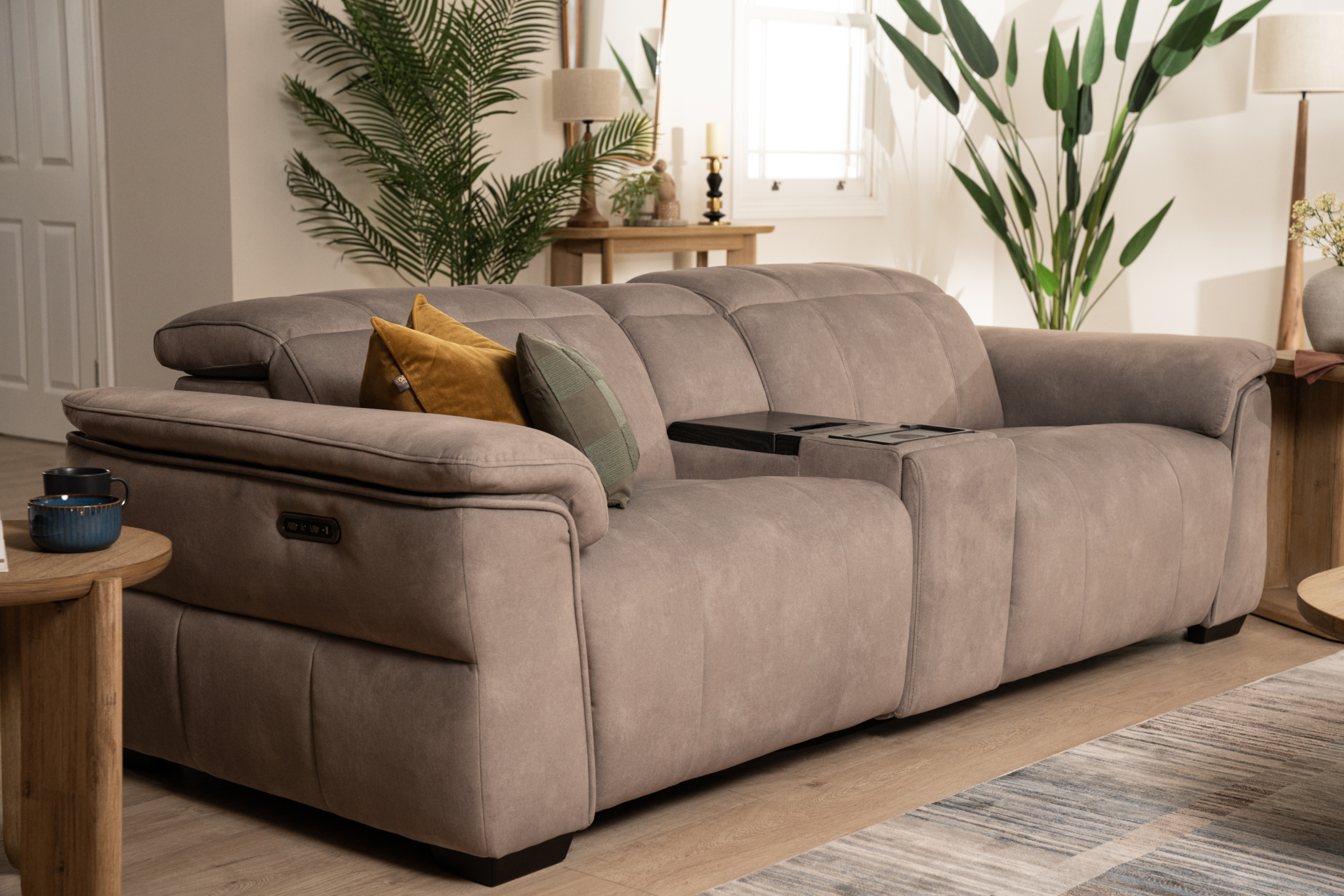
A well-designed living room encourages conversation and a sense of balance. Pulling your sofa or seating slightly away from the wall can instantly make the space feel more intentional and comfortable. If space allows, consider arranging seating around a central coffee table or rug to create a clear focal point (more on this one later!). A spacious and supportive design like the Hollywood works really well when styled as part of a central seating arrangement, helping to ceate a cosy and functional hub within the room.
2. Choosing the Wrong Size Sofa
One of the biggest layout mistakes that homeowners make is selecting a sofa that is either too large or too small for their space. An oversized sofa can overwhelm a room and restrict movement, while a sofa that’s too small can make the space feel underfurnished (besides the obvious problem of not having enough space to sit).
To save yourself a headache down the line, measure your room carefully and consider how people will move around the space before purchasing a sofa. Think about traffic flow and allow enough room for walkways. Modular or compact sofas can work particularly well in smaller rooms, while larger living spaces may benefit from corner sofas or recliner suites that provide generous seating without looking lost or out of place in the room. Recliner sofas with built-in features like the Austin are great for maximising comfort while reducing the need for additional furniture!
3. Ignoring the Importance of a Focal Point
Every room (not just living rooms!) really benefits from having a clear focal point, which in this case could be a television, fireplace, feature wall, or statement piece of furniture (like a sofa!). Without one, the room can feel unstructured (read: higgeldy piggeldy) and visually confusing.
Arrange your seating so that it naturally draws attention towards the main focal point. Position your sofas and armchairs to face a TV or fireplace to create a natural gathering space. If your room doesn’t have an obvious focal point, you can create one using a standout piece to help anchor the space!
4. Lighting Placement
Often the unsung hero of interior design and treated as an afterthought, lighting plays a huge role in how a living room looks and feels. Relying on a single ceiling light can leave the room feeling flat and lacking atmosphere.
Layered lighting is your best room in the living room. Combining floor lamps, table lamps, and soft ambient lighting can help define different areas of the room while creating warmth and depth, all at the same time. For functionality, position key lighting near seating areas, and to create a warmer look, layer ambient lighting throughout the room to create a more balanced layout.
5. Overcrowding the Space
While it can be tempting to include multiple chairs, tables, and decorative pieces, too much furniture can make your living room feel smaller and less practical. A cluttered layout not only gets in your way, but prevents your key furniture pieces from standing out.
Focus on selecting quality pieces that serve both functional and aesthetic purposes. Multi-functional furniture, like recliner sofas with built-in storage, or coffee tables with hidden compartments can help maximise space while reducing visual clutter. Choosing versatile furniture lets you maintain your style while ensuring your living room remains practical for everyday use.
6 . Neglecting Rugs and Zoning
Rugs are often used purely as decorative accessories, but they actually play an important role in defining seating areas and anchoring furniture within a layout. Choosing a rug that is too small is actually a very common mistake and can make furniture arrangements feel disjointed.
Ideally, a rug should sit underneath at least the front legs of your sofa and chairs. This helps visually connect the furniture and creates a more structured seating area. Rugs are also particularly useful in open-plan spaces, helping to zone the living area while maintaining a cohesive flow throughout the room.
Creating a Living Room That Truly Works
A well-planned living room layout combines comfort, practicality, and style. By paying attention to furniture size, spacing, lighting, and focal points, you can transform your living room into a space that feels both functional and inviting.
Small layout changes can often make a significant difference, helping you get the most from your furniture while enhancing the overall feel of your home. Whether you are redesigning your entire space or simply refreshing your current setup, thoughtful layout choices will always have a lasting impact.