
We’re all hoping for the day we walk into one of the rooms in the house and everything just works. A balanced layout, beautiful colours, and effortless cohesion… one day.
While perfect styling may look almost effortless, interior designers actually rely on a few simple principles that give you that cohesive, finished look. And, luckily for you, these techniques are easier than you’d think to apply at home, whether you’re refreshing a living room, updating a bedroom, or even refining your dining space. With the right furniture foundations in place, thoughtful styling is really what brings everything together.
Here are five styling tricks you can use to make that one day come around sooner than you’d think!
1. Style in Odd Numbers
One of the simplest professional tips is styling in odd numbers. Even-numbered groupings can sometimes feel too symmetrical, whereas odd numbers can create movement and visual interest. So, as long as you’re able to count (which I hope you can, if you’re reading this), you can master this one!
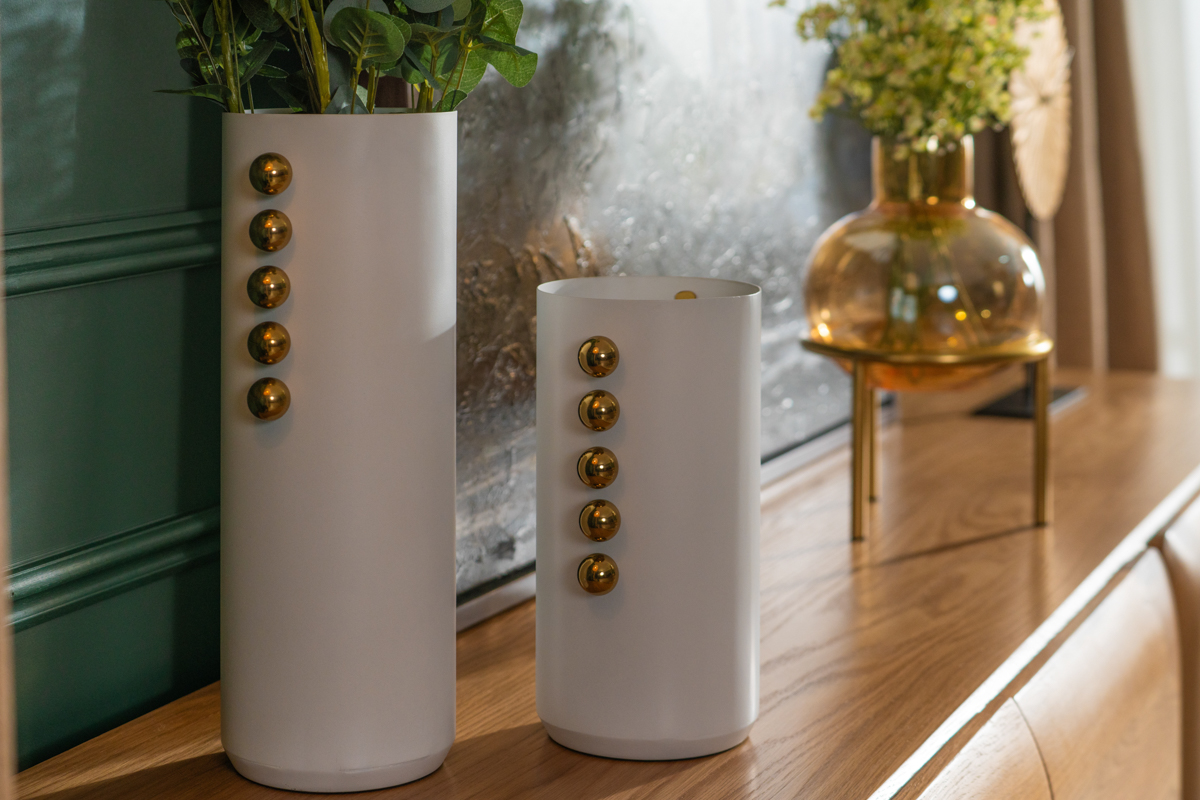
For example, if you’re styling a coffee table in a living room centred around a sofa, try to group your accessories in groups of threes rather than twos. Mismatching a stack of books with a vase and a candle (even better if their heights don’t match!) will feel more dynamic than a matching pair of objects. You can apply the same principle to console tables, sideboards, and bedside tables.
This small trick goes a long way in making spaces feel more lived-in and natural!
2. Layer Your Lighting
Lighting is one of the most transformative elements of any room, and yet, it’s so often overlooked! Relying on a simple overhead light can leave your space feeling flat (and you don’t have any middle ground to play around with — it’s either dark or bright, with no in-between!). Designers often focus on layering lighting to create more warmth and depth in a space.
In the living room, that might mean pairing your big light with a floor lamp beside the sofa, and a table lamp on a sideboard! This helps to create a softer atmosphere, especially in the evenings — and keeps the space practical! In the bedroom, incorporate table lamps on bedside tables for ambience. Warmer lighting helps to enhance wood tones and soft fabrics, so avoid cooler bulbs if you can. The room will feel calmer and more inviting for it. Your goal is to create pools of light at different levels, rather than relying on one bright source.
3. Mix Textures for Depth and Warmth
A well-styled room is rarely about colour alone. Texture plays a huge role in making a space feel layered and welcoming. Before you go ham on the homewares section, take stock of what you’re working with. Consider how different materials will interact with your furniture choices. A fabric sofa contrasts beautifully with a smooth wooden coffee table, especially if the sofa legs and coffee table are matching materials! Adding a rug beneath your seating area, a throw over the arm of your sofa, or even velour cushions are all great ways to create visual richness.
The same principle applies in dining spaces. An oak dining table paired with upholstered dining chairs balances solid structure with softness, making the room feel practical and comfortable, all at the same time.
4. Use The 60-30-10 Colour Rule
Balancing colour can feel overwhelming, but it doesn’t have to be complicated. Designers often rely on the 60-30-10 rule to create harmony within a room, without stress.
I know I already asked you to count, so bear with me.
In this formula, 60% of the space is your dominant base colour, so this will be the larger pieces like your sofa, bed, or dining table. 30% is your secondary colour, in pieces like rugs, curtains, or accent chairs. The remaining 10% is your accent shade, brought in through cushions, artwork, or decorative accessories.
In simple terms, the 60% anchors the space, while the secondary 30% adds depth. The 10% left over is your pop of colour — a way to provide personality without overwhelming the space. This structured approach makes it much easier to experiment with trends while keeping your core furniture timeless.
5. Balance Statement Pieces with Supporting Elements
Every well-designed room benefits from a focal point — trust me on this. What you don’t want is every item competing for attention. That only leads to clutter, overwhelm, and a messy visual. Designers carefully balance bold statement pieces with quieter supporting furniture to give a space more clarity.
If you choose a standout piece like a feature headboard or a distinctive dining table, allow it to take centre stage. Surround it with complementary items that enhance, instead of overpowering. Similarly, if your living room features a modern sofa like the Austin, keep surrounding décor slightly more understated so the sofa remains the hero. This balance prevents visual clutter, and ensures the space feels intentional.
Bringing It All Together
Professional styling is rarely about dramatic overhauls. More often than not, it’s about refining what you already have. Grouping your accessories in odd numbers, adding in light sources, and mixing textures with balanced colour schemes are key to a well-designed space. Not sure where to start? Book your free 30 minutes introduction to our Interior Design Service here!